
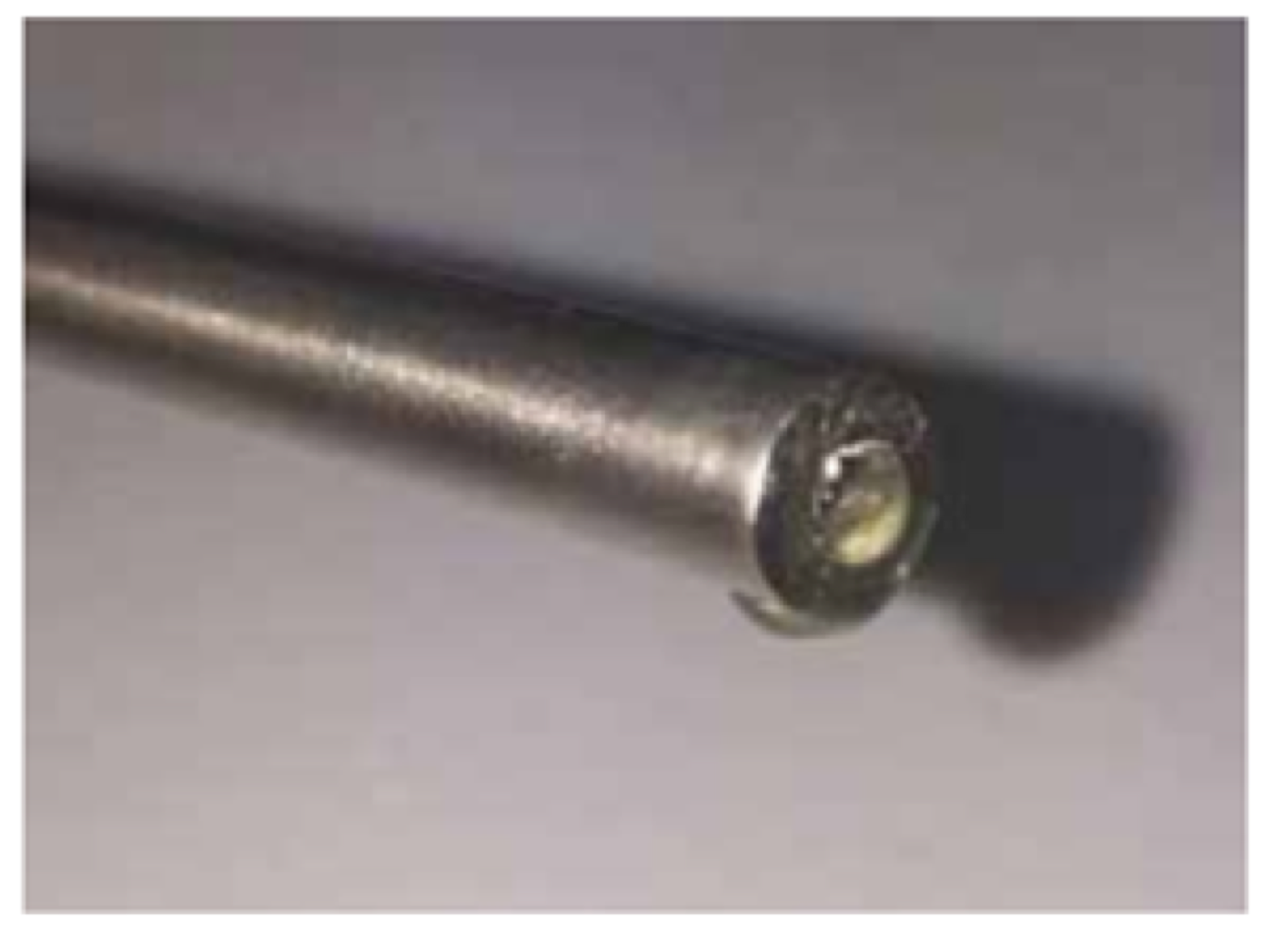
Seal the leak path in situ.
Pressure Activated Sealant is a liquid sealing technology activated by pressure differential / shear force at the leak path. Sealing occurs in situ while remaining sealant stays liquid.
How it works
PAS is pumped as a liquid. At the leak path, differential pressure and shear force activate the sealing mechanism. Material that does not see that differential remains liquid, so the treatment targets the leak rather than filling the entire accessible volume indiscriminately.
Where it is applied
- Wellhead / Xmas tree / conductor leaks
- Gate valves
- MTM / SRL seals
- Tubing and casing hanger seals
- Pack-off seals
- Control lines
- Downhole safety valves
- Production packers
- Seal stems / polished bore receptacles
- Tubing / casing connection leaks
- Sliding side doors and side-pocket mandrels
- Umbilical lines
- SCP / micro-annular channelling
Related case histories
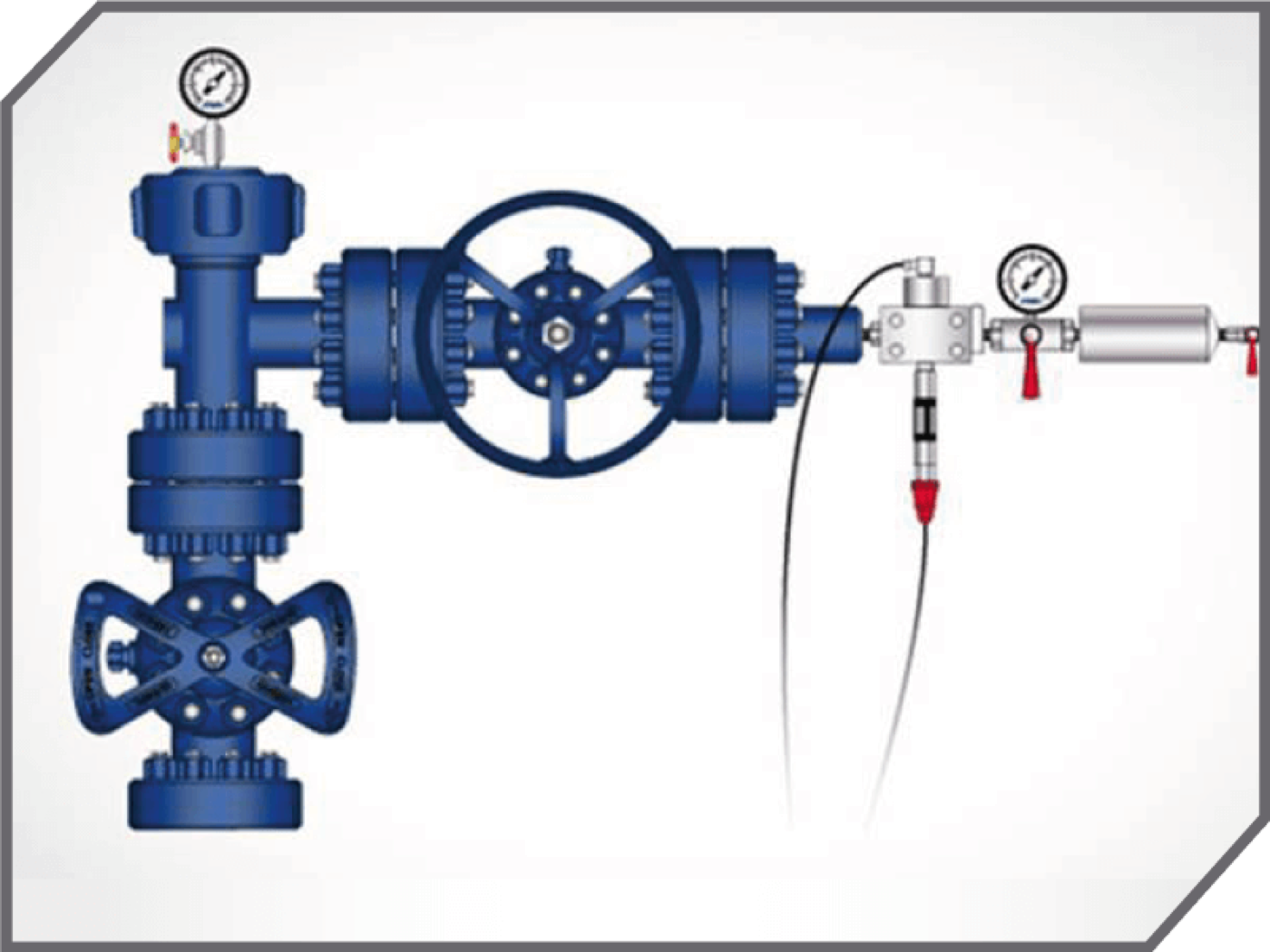
Cendor Alpha 36" conductor and casing-hanger leak
Petrofac (Malaysia-PM304) · Cendor Alpha, offshore Malaysia
All leaking casing-hanger seal ports were rectified. No further gas was observed at the section gap during soapy testing. The case is documented in SPE-202404-MS.
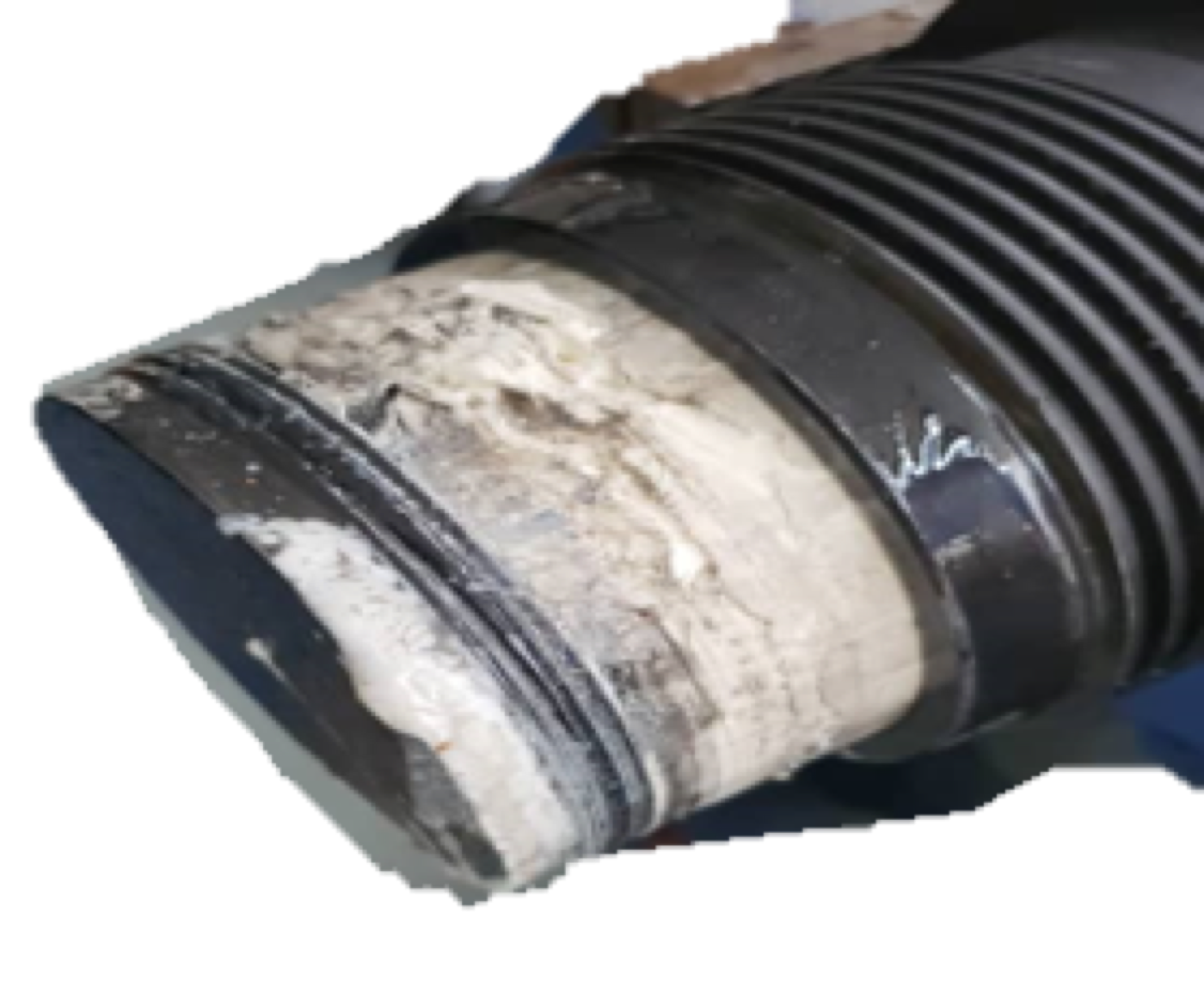
Tabu Bravo control-line leak diagnostic & rectification
ExxonMobil Malaysia (EMEPMI) · Tabu Bravo, offshore Malaysia
The control-line leak was sealed after positive and negative pressure testing. Gas blowout on bleed-off was eliminated, with flowtube movement and tubing inflow testing supporting reinstatement of control-line and TRSV functionality.
Saint Joseph dual production packer repair
Hibiscus Petroleum · Saint Joseph, offshore Sabah
The packer held pressure after the leak was cured, with zero pressure increase in the A-annulus. The well was returned online after having been shut in for more than three years.
Discuss an application
The correct technology depends on leak geometry, communication path, accessible volume, pressure conditions and deployment method.